- That’s The Point! Acupuncture410-979-1498
- 12165 Clarksville Pike
Suite 308
Clarksville, MD 21029 

Health WellNews
Acupuncture for Treating Depression
Depression has a tendency to rear its head when we feel overwhelmed or out of balance. Hopefully, we can pull ourselves out of the depressed state and continue on with everyday life. But, that is not always the case. Clinical depression affects upwards of 16 million adults in the United States. Typically, doctors prescribe antidepressants, but alternative methods, like acupuncture, work just as effectively as antidepressants without any negative side effects.

Whereas antidepressants address the symptoms of depression and ignore the root causes, acupuncture and Traditional Chinese Medicine can help alleviate symptoms of depression while also attacking the root cause(s). In this way, TCM brings the body and mind back into balance. Rather than ignoring the connection between the body and mind, acupuncturists approach treatment from a holistic standpoint. When we experience emotional challenges and upset, our physical body may become affected as well. Then a vicious cycle begins, because the emotions are greatly impacted by what we can and cannot do physically.
Long term imbalances in both our physical bodies and our minds can lead to a state of depression. This depression affects our qi (pronounced “chee”), or vital energy. Qi animates the body while guarding it from pain and illness. When Qi is blocked and unable to flow properly throughout the body and mind, stagnation is created which can lead to depression. Acupuncture helps to unblock these areas of stagnation, allowing qi to flow freely again. When the qi flows freely, physical pain and mental anguish will dissipate over time and the depression will lift.
For those who suffer with severe depression, acupuncture may not be enough. This is where other elements of TCM come into play. Things such as herbal formulas can be excellent additives for helping people cope with depression. There are several Chinese herbal formulas that work very well. One of the most commonly used formulas is Chai Hu Shu Gan San. This formula contains things like white peony root, tangerine peels and bitter orange that help boost or tonify the qi. Many times, natural remedies are a better choice for those suffering from depression, as there are far fewer side effects than found in prescription pharmaceuticals.
Techniques like tai chi or qi gong are other ways to help battle depression naturally. Tai chi and qi gong bring the body and mind back into balance by decreasing stress and allowing the person performing it to focus all of their intentions on the movements. This allows the mind to relax, which in turn relaxes the body. Tai chi and qi gong also increase oxygen flow into the muscles, allowing for increased mobility.
If you are somebody who suffers from depression and you are looking for natural, holistic solutions, TCM may be the right choice for you.
The Benefits of Moxibustion
Traditional Chinese medicine is a medical system that incorporates numerous methods for treating disease and illness. One of the tools found in the toolbox of the Traditional Chinese medicine practitioner is known as moxibustion.
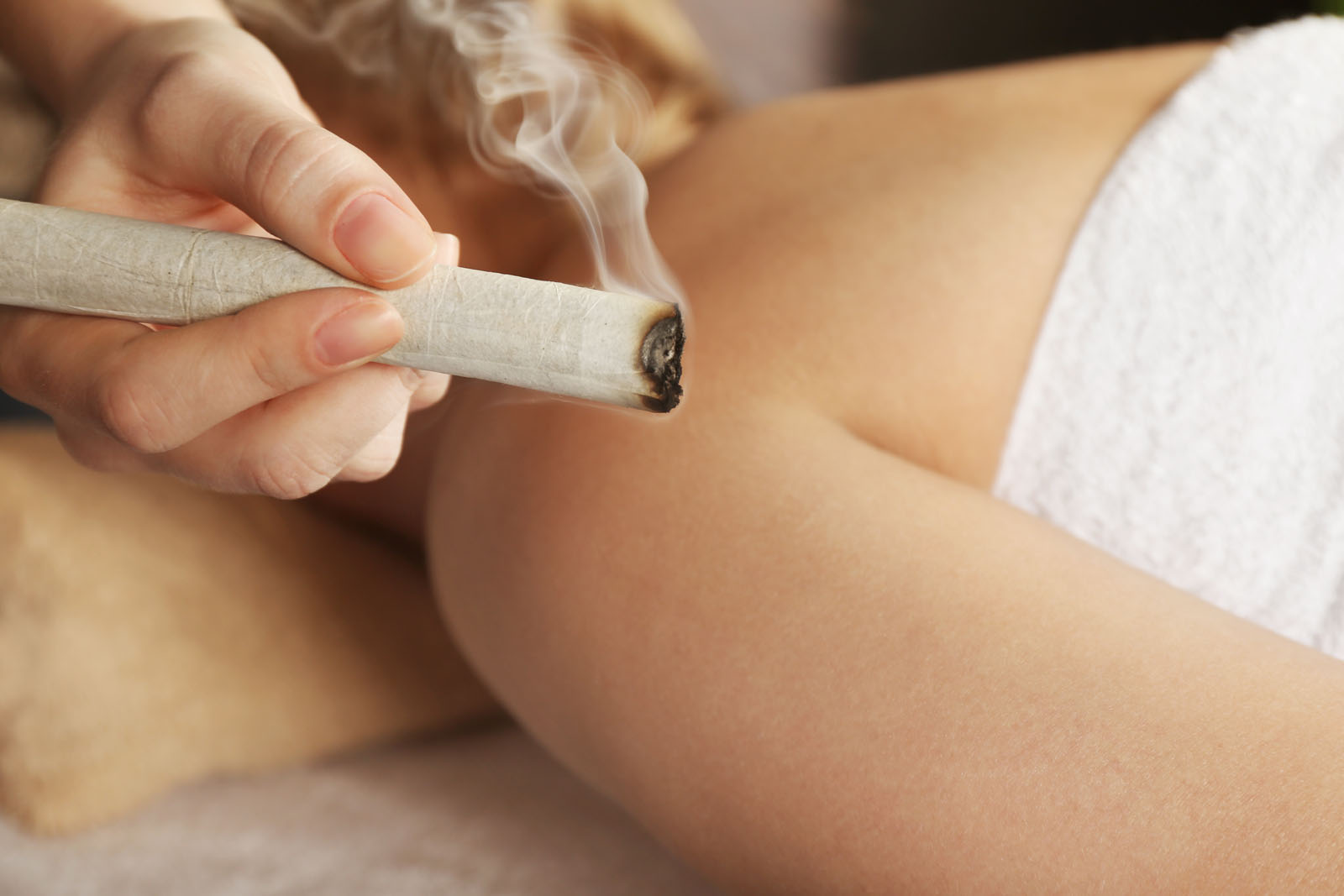
Moxibustion is a technique that involves the burning of mugwort, known as moxa, which is an herb that facilitates healing. The purpose of moxibustion is to stimulate the flow of Qi (pronounced “chee”), strengthen the blood and maintain general health. Qi is translated as life energy. There are two types of moxibustion, direct and indirect. Direct moxibustion uses moxa that is shaped into a small cone and is placed on top of an acupuncture point and burned. This type of moxibustion has two subcategories, scarring and non-scarring. Non-scarring moxa allows for the moxa to be placed upon the acupuncture point, lit and extinguished or removed before it burns the skin. Non-scarring moxibustion creates a pleasant heating sensation that penetrates deeply into the skin, but does not create a scar or any pain. Scarring moxa burns until it distinguishes on its own. This may lead to localized scarring and blisters. Indirect moxibustion is the more popular of the forms. In indirect moxibustion, a practitioner lights one end of a stick of moxa and holds it close to the acupuncture point for several minutes until the area turns red.
Moxibustion can be used for many reasons because it provides many benefits. The first benefit of moxibustion is it is warming to the body. Many people who have autoimmune diseases, low immunity and blood conditions are frequently cold. The warming properties of moxa make it a great choice for these types of conditions.
Moxa is also a good choice for those suffering from aches and pains. The warming properties of moxa allow it to increase blood flow by warming the blood. Increased blood flow means increased oxygenation to the tissues, muscles and tendons that are sore.
Another benefit of utilizing moxibustion is increased immunity. Studies have shown moxibustion significantly increases the white blood cell count in the body, which is the major component of the immune system. Moxa strengthens the immune system and helps re-balance autoimmune diseases.
Despite the fact moxibustion involves the burning of mugwort, it has been shown to be very beneficial for cooling areas of inflammation. This again goes back to blood flow. Moxa improves blood flow to areas of inflammation, while promoting the natural radiation function of the skin. This also works on chronic inflammation diseases like arthritis.
As moxibustion has many benefits and can be used to treat multiple diseases and ailments, it might be a good addition to a person’s health regimen. It is recommended that only properly trained and fully licensed practitioners be used and a quick internet search can easily provide the names of those located nearby. There’s never a better time than now to start incorporating healthy living habits.
Secrets Acupuncturists Use to Stay Healthy
Staying healthy means something different for everybody. For most, it means getting proper rest, eating a balanced healthy diet and exercising regularly. Here are some secrets many acupuncturists incorporate into their regimen.
Wearing Scarves
Most people wear scarves during the fall and winter months, but acupuncturists will wear scarves almost year round to protect their necks from drafts. In traditional Chinese medicine, the back of the neck is where cold pathogens are thought to enter the body. Even sitting in an air-conditioned building all day during warm months of the year can cause people to get sick.
Green Tea
Green tea is known to be very healthy in comparison to its other tea cousins. Acupuncturists have known this for quite some time, and most drink it to boost immunity as well as increase the amount of antioxidants in their bodies. Antioxidants fight off free radicals, which age the body and can lead to disease.
Herbs
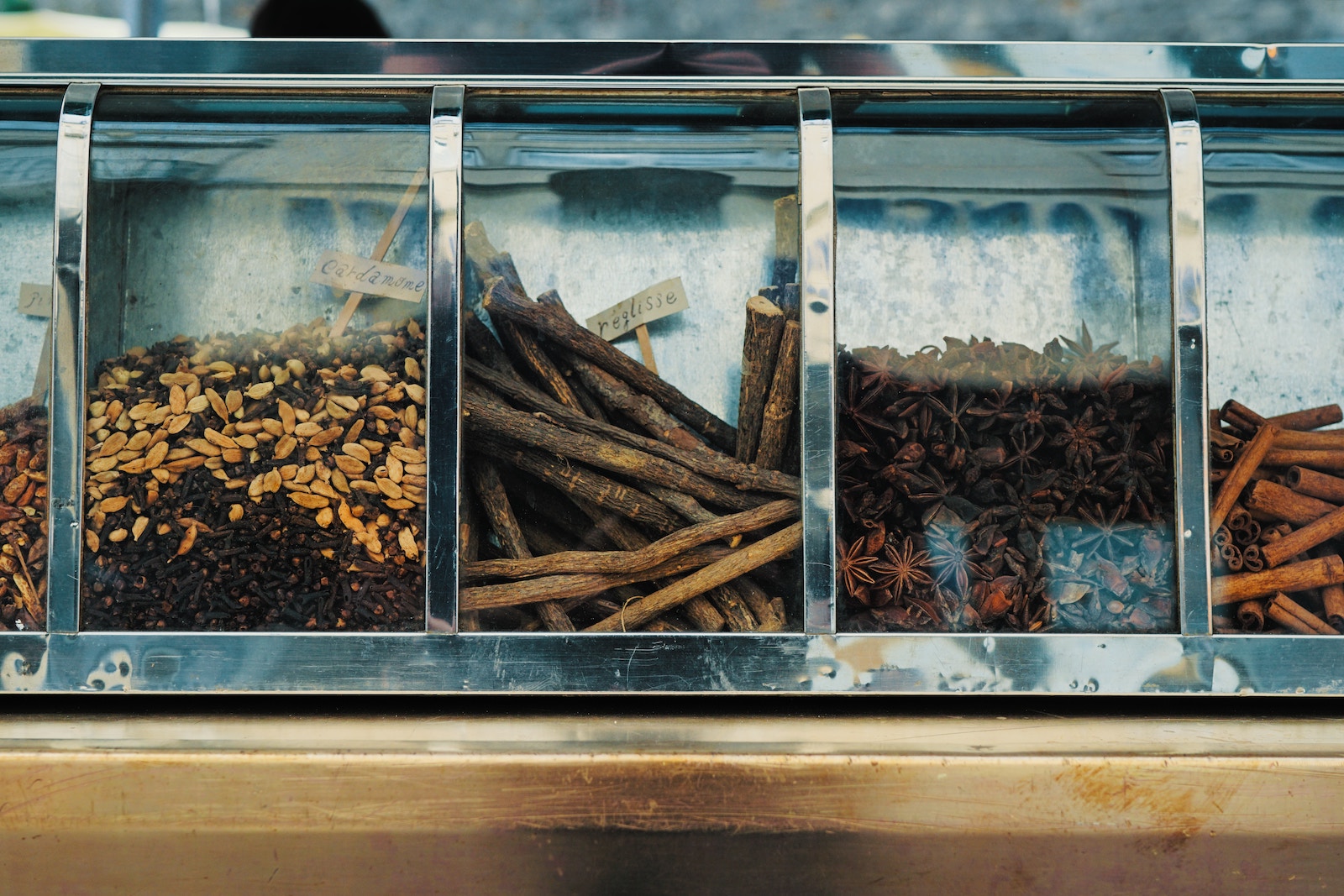
Ingesting herbs for their numerous health benefits has been a practice for thousands of years. Some of the favorites for acupuncturists include licorice root (gan cao), Chinese wolfberry (gou qi zi), cinnamon twigs (gui zhi), ginseng root (ren shen) and mugwort leaves (ai ye).
Licorice root (gan cao) boosts the spleen-meridian energy, which helps with digestion and muscle tissue condition.
Chinese wolfberry (gou qi zi) increases liver, lung and kidney meridian energies. This herb can help with sore back and leg muscles, as well as eye-muscle strain.
Cinnamon twigs (gui zhi) are a warming herb that boost heart-meridian energy. It is used frequently to help fight off colds.
Ginseng root (ren shen) also increases spleen-meridian energy, which helps with digestion and improves immune responses.
Mugwort leaves (ai ye) are another warming herb that targets the spleen, liver and kidney energetic meridians. Acupuncturists use ai ye to stop pain and disperse cold that is attacking the body. This herb, however, is usually ground up and burned over certain acupuncture points instead of taken internally.
Harimake
When our body core becomes cold, it can wreak havoc on all of our internal organs and this can then drain our energy and cause illness. One secret weapon used to keep the body core heated is something called a harimake. Harimakes are Japanese in origin, very simple and very effective. Harimakes are usually made from flannel or soft wool. They are wide bands of cloth that cover the abdomen from just above the waist to about six inches below the waist and they are worn under your clothes. Harimakes are used to conserve body warmth and energy, thus protecting your body from stress, exhaustion and illness.
These are just a few of the health secrets acupuncturists use. Even more important than these, though, is getting proper sleep, eating well, avoiding excess stress and getting regular acupuncture treatments. Even acupuncturists get regular treatments, because we know we can’t help you if we don’t take care of ourselves first.
Auricular Acupuncture: What it is and why is everyone talking about it?
Traditional Chinese Medicine (TCM) is a medical system that dates back nearly 3,000 years. Auricular acupuncture was first mentioned around 500 B.C. in the Yellow Emperor’s Classic of Internal Medicine, which is the equivalent of the Bible for TCM practitioners. However, the method in which auricular acupuncture is practiced today is actually based upon discoveries that occurred in France in the 1950’s. Modern auricular acupuncture comes from the work done by Dr. Paul Nogier.

Auricular acupuncture is the stimulation of the external ear for the diagnosis and treatment of health conditions. These health conditions may be anywhere in the body. The acupuncture points can be simulated manually, with an acupuncture needle, with a laser, magnets or ear seeds. Regardless of the means of stimulation, auricular acupuncture can be a very powerful addition to regular acupuncture treatments.
The current form of auricular acupuncture came about after Dr. Paul Nogier noticed a scar on the upper ear of some of his patients. When he inquired about the scar, he found out a local practitioner had been treating his patients for sciatica pain and she was cauterizing this specific area on the external ear to relieve their low back pain. Dr. Nogier conducted similar tests on his own patients and found their low back pain was also relieved. He tried using other means of stimulation as well, such as acupuncture needles and found it to be just as effective as cauterizing the area.
Dr. Nogier theorized that if an area of the upper external ear is effective on treating low back pain, then perhaps other areas of the ear could treat other parts of the body. His hypothesis led to the model used today for teaching auricular acupuncture. The ear is thought to represent the whole anatomical body. However, it is upside down in orientation, so the head is represented by the lower ear lobe, the feet are at the top of the ear and the rest of the body is in between. The Chinese actually adopted Dr. Nogier’s model of auricular acupuncture in 1958.
Auricular acupuncture is considered a microsystem, meaning one part of the body, the ear in this case, is a microcosm of the whole body. Microsystems also appear on foot and hand reflexology, facial acupuncture and scalp acupuncture.
This system has been practiced in Asia, albeit in a different form, for over 2,000 years. Auricular acupuncture has been used in Europe for the past 40 to 50 years, and it is finally starting to take root in the United States. Over the past five to 10 years, the U.S. military has started using auricular acupuncture for its personnel in the battlefield.
This form of battlefield acupuncture is used to help soldiers deal with PTSD (post-traumatic stress disorder) brought on by being in combat.
Since auricular acupuncture allows for every part of the external ear to connect through the microsystem to every part of the body, many conditions can be treated using only a few very tiny needles. Not only can PTSD be treated using auricular acupuncture, but also things like chronic pain, drug addiction, high blood pressure and nausea. And for those who are a little needle-shy, auricular acupuncture is a great way to treat them, because it uses smaller-gauge needles, so small in fact, they’re barely visible. Auricular acupuncture can be used alone or in conjunction with other forms of acupuncture.
7 Ways Acupuncture Can Help With Running Injuries
Running is something that people do to keep their bodies healthy. But as with any physical activity, there can be pitfalls to avoid. When it comes to runners, things like sprains, strains, aches and pains are all too common. And they usually involve the ankles, knees or legs because those are the tools that runners use.
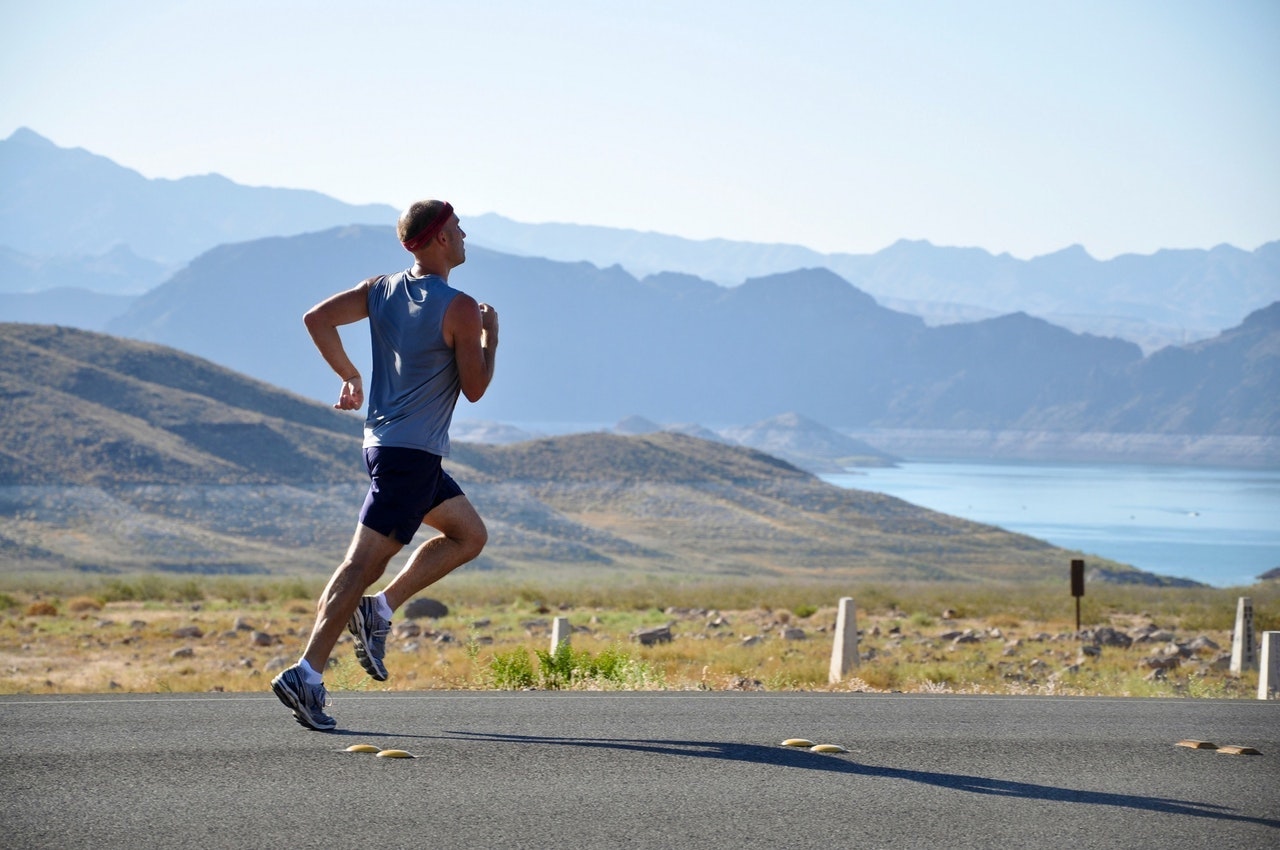
For most minor running injuries, some rest and heat or ice can be helpful. But occasionally there are issues that just don’t seem to go away and can impede a runner’s ability to train and get back on track. Things like plantar fasciitis, pateliofemoral syndrome (aka “runner’s knee”) and sciatica are all issues that may take more than just some rest to correct. This is where modalities like acupuncture can be very beneficial.
Acupuncture is a component of Traditional Chinese Medicine (TCM) that involves inserting hair-thin needles into the skin at specific points, which when stimulated, promote the body’s natural ability to heal itself. And while most runners seek out acupuncture as a way to treat an ache, pain or injury, many find that regular acupuncture treatments can actually improve their running by restoring balance and energy throughout the body. Here are seven ways that acupuncture can help with running injuries.
Acupuncture reduces inflammation. Inflammation is
common to running injuries. Inflammation is typically
caused by trauma or repetitive motion to the area. Inflammation occurs when cortisol levels are elevated and studies show that acupuncture can decrease cortisol levels very effectively, thus decreasing inflammation.
Acupuncture decreases swelling. Swelling is another common symptom of running injuries. It occurs when increased movement of fluid and white blood cells rush to the area that is inflamed. The swelling can remain for several days. But specific acupuncture points can actually help decrease the swelling, restoring proper fluid circulation to the injured area, also decreasing
the time it takes to heal.
Acupuncture promotes circulation. When the injured area is swollen and inflamed, proper circulation of blood and other bodily fluids will be limited. Specific acupoints have been shown to increase circulation throughout the body. And by placing needles around the affected area, it signals the body to send healing to that targeted area.
Acupuncture can correct muscle imbalances. When muscles become imbalanced, they can cause a chain reaction that results in muscle, tendon and joint pain. By utilizing motor points in the affected muscles, a release is elicited and the muscle can return to its correct position, which decreases stress on the injured area.
Acupuncture improves sleep. For runners, with or without injuries, sleep is vital. In order to be strong as a runner, the body needs time to heal in between each run. The CDC reports that nearly 10 percent of all Americans suffer from chronic insomnia and this includes runners. The benefit of acupuncture versus a sleeping pill is that acupuncture is customized to the person, treating the root cause and allowing the runner to get the quality sleep they need.
Acupuncture relieves pain. Runners tend to be very health conscious and taking pain relievers can come with some not so healthy side effects that can impede the runner’s ability to perform. Acupuncture relieves pain very effectively with no negative side effects. Acupuncture helps the nervous system produce painkilling chemicals and studies have confirmed this, which is why the World Health Organization endorses acupuncture for pain relief.
Acupuncture can relieve chronic stress. Stress of any kind, emotional or physical, can undermine the performance of a runner and cause all kinds of health issues. A recent study at Georgetown University showed that acupuncture suppressed stress-related hormone production and the effects lasted for up to four days. Think about that when you’re training.
If you’re one of the many weekend warriors and backyard athletes that use running as your release, then having a licensed acupuncturist on speed dial, might be a great way for you to stay healthy. Give it a try. You might be pleasantly surprised how amazing you feel in as little as one to
two treatments.