- That’s The Point! Acupuncture410-979-1498
- 12165 Clarksville Pike
Suite 308
Clarksville, MD 21029 

Health WellNews
Acupuncture and the Season of Winter
Winter is just one of the five seasons acknowledged by Traditional Chinese Medicine. The ancient Chinese followed the belief humans should live in harmony with the cycles of nature. During the winter months, the darkness and cold indicate we should slow down, take care of our health, conserve our strength and replenish our energy for the upcoming spring and summer months. This is observed in the animal kingdom and it should also be considered a good rule of thumb for human beings.

Each season has multiple associations that help us adjust our habits as things change, which makes it easier to keep the body and mind balanced. Winter is ruled by the water element. The water element is associated with the kidneys and urinary bladder. According to TCM philosophy, the kidneys are the source of all energy found within the body. This energy, frequently called Qi (pronounced “chee”), is what keeps us alive and allows our bodies to function properly. During the winter months, it is vital that we nourish and nurture our kidney Qi.
Winter is typically a time when we decrease our daily activities. Because of this, we should also decrease the amount of food we eat to avoid gaining excess weight. It is also recommended excessively cold and raw foods be avoided or at least countered with things like hot tea. Cold and raw foods can deplete the Qii over time. This can lead to problems with digestion, sleep and much more.
It is suggested during the winter months, we should emphasize foods warming to the body. This includes things like soups, stews, root vegetables, beans, garlic and ginger. Also foods like whole grains and roasted nuts can help keep the body’s core warm, while providing healthy nourishment.
Aside from eating according to the seasons, there are also other things we can do to keep ourselves in tune with our environment, which will ultimately keep us healthy. TCM is a non-invasive way to build the Qi and keep the body functioning properly throughout the winter, as well as the other seasons.
TCM incorporates quite a few different modalities. Acupuncture is probably the most commonly known of these modalities and it is a wonderful tool for boosting and replenishing kidney Qi. Moxibustion is another TCM modality that involves burning crushed mugwort on acupressure points to help increase the core body temperature and keep blood circulating throughout all parts of the body.
There is also another form of Qi known as Wei Qi (pronounced “way chee”) that is frequently compared to our immune system. Regular acupuncture treatments, proper sleep, a healthy diet and exercise are all ways to keep the Wei Qi strong.
One of the most important things anybody can do during the winter months to stay healthy is drink plenty of water. Winter, in most places, literally drains the moisture out of the body. It is recommended that we drink at least 64 ounces of water per day, even during the winter months. However, the thought of drinking cold water in cold weather is a concept that tends to keep a lot of people clinically dehydrated during the winter months. This is why warm water with lemon or hot tea are good substitutes. We are still ingesting water, while avoiding the cold that could potentially damage our core.
By following the guidelines set forth by nature, we can also remain in balance with the natural world around us. This is how our ancestors did it and it served them quite well. Perhaps there is something to be learned from the wisdom our elders pass down through the generations, aside from just some intriguing tales.
Traditional Chinese Medicine And Fall
As the seasons shift from summer to fall, so does the Qi (or energy) in the universe as well as within our bodies. Autumn is represented by the metal element, which includes the lung and large intestine meridians. The emotion often associated with the lung meridian is sadness and grief. This is the time of year to let go, to finish projects which you have not yet completed and embrace the coming of a new season.
One easy way to benefit the lung organ is breathing exercises. Practice breathing in through your nose and focus on filling your lungs deep with your breath, down into your abdomen. Hold that breath for a count of five and slowly exhale out of your mouth trying to get all of your breath exhaled from the very bottom of the lungs. You can repeat this several times as well as a few times throughout the day. Not only will this help build your lung Qi, it will also relax and center you. This is important in the midsts of our busy lives. Good sleep habits are also essential for health, wellbeing as well as the lung’s Qi. Early to bed and early to rise will help invigorate you and set each day off full steam ahead.
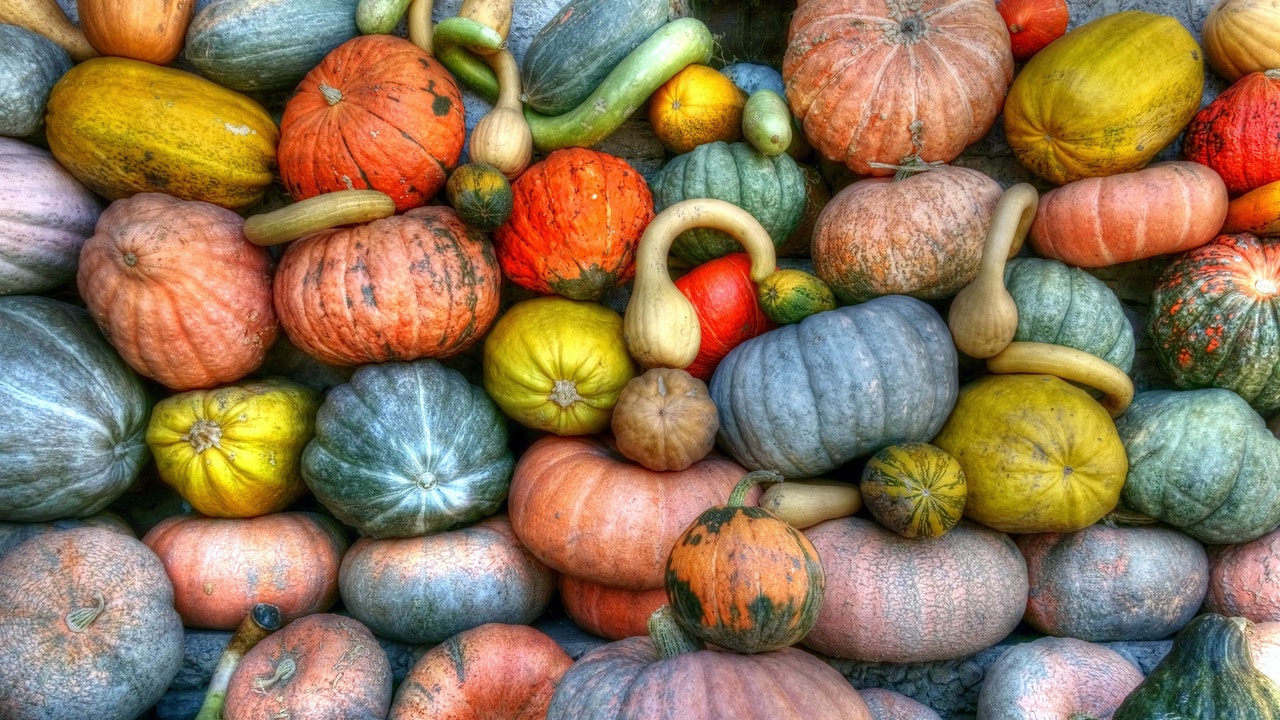
In summertime many people indulge in lots of raw and fresh fruits and vegetables. For our bodies, digesting these raw foods can use up a lot of our Qi, but in the summer the heat of the summer can balance some of this as the raw foods have a more cooling aspect to them. As we transition to autumn, it is also a time to transition our diet and move towards more warming foods. Soups, stews, warm beverages, cooked fruits and vegetables. Fall can be abundant with amazing fresh produce that is seasonally appropriate– pears, garlic, leeks, beans, apples, onions, ginger and leafy greens.
The lungs are also integral for our Wei Qi, which is our protective Qi, akin to the immune system. As the lungs are connected to the nose and the mouth, it is important to be mindful of this. Using a neti pot can help rinse out the nasal and sinus passages. Using a warm salt water mixture will help reduce your chances of colds and allergies. As the temperature shifts, so should our attire. Keep your body warm and appropriately covered, including a scarf around the neck as needed. It is a great time of year to go for long walks and hikes in nature, but keep yourself well prepared to keep your body strong.
The Metal Element
Traditional Chinese Medicine dates back thousands of years and has helped people all over the world remain and regain health and well-being. Traditional Chinese Medicine, or TCM, most likely predates written history. But the first writings of this medical system appear in China during the Shang Dynasty in 1766 B.C. The theory behind TCM however, is not just Chinese in origin and is heavily rooted in traditional Eastern philosophy. The concept of the five elements that are now used in TCM probably began with the ancient Chinese calendar where five types of energies were assigned to different days, months and years. These five elements were associated with the solstices and equinoxes in an effort to help farmers plan ahead. The five elements are wood, fire, earth, metal and water.

Metal is the element associated with the season of fall. The metal element is thought to be about connection and purity. During the autumn months, things are winding down and life is preparing for hibernation. Autumn is the time of year when we tend to let go of the things that no longer serve us. Just as the leaves fall from the trees in the autumn months, so too should we let go of the things, physical or mental, that bog us down. Fall is a good time to detox the body or clean out the closets of unwanted items.
Each element in TCM is also closely affiliated with two organs and their energetic meridians. Metal is the element of the lungs and the large intestine. The large intestine functions to “let go” of toxins and waste products our bodies no longer need to function. The lungs enable us to take in the crisp pure air of the autumn months, which helps to nourish and enrich our blood. The lungs and the large intestine work as a team to keep the body healthy. One gets rid of waste, while the other brings in nourishment.
When the metal element is out of balance, we may experience allergies, asthma, wheezing, colds, coughing, grief, sadness, skin rashes, eczema, diarrhea or constipation. All of these can be due to either excesses or deficiencies within the lung and large intestine meridians. One way to counter a breakdown in the system is by eating foods color specific to the two energetic meridians. Things like onions, turnips, cauliflower, egg whites, apples, potatoes and pears are all good examples of white foods that can help boost or tonify the energy of the lung and large intestine meridians.
Deep breathing is also something that can be done daily to help keep the metal element balanced. This practice can help strengthen the lungs and boost immunity in the body. Deep breathing can be somewhat meditative, which can help calm the mind too. When practicing deep breathing, the focus should be on the abdomen. The abdomen should expand when inhaling and it should deflate when exhaling. This is somewhat opposite of what most people do when they breathe. But when watching an infant breathe, it is easy to see this pattern. Deep breathing can be done almost anywhere and it can help tremendously when there is added stress.
Lastly, consider getting acupuncture to balance out the metal element. Acupuncture has been shown to be effective at treating many lung and large intestinal issues. Acupuncture works with the body to balance energy, remove blockages and get things flowing properly throughout the whole system. A few treatments can bring relief from a lifetime of discomfort.
How to Fight the Common Cold with TCM
 Cold and flu season usually occurs during the winter months. But the common cold doesn’t follow a schedule. The common cold can happen at any time of the year. It affects nearly three million people in the United States every year. Symptoms can include a runny nose, sneezing, congestion, coughing, sinus pressure, watery eyes, fatigue and muscle aches. The common cold is usually caused by a virus and unfortunately, Western medicine has no real cure for this ailment.
Traditional Chinese Medicine (TCM) is a medical system that approaches Western ailments from a very different angle though. In TCM, wind is one of the six external pathogens that can invade the body and produce symptoms. The external pathogens responsible for the cold are seen as invasions of wind. The body is protected by something known as the Wei Qi (defensive qi, pronounced “way chee”). The Wei Qi is comparable to the immune system in Western medicine and it acts as the first line of defense when the body is under attack from external pathogens. If the Wei Qi is strong, the body is capable of fighting off the cold virus. The Wei Qi keeps the pores of the skin closed and prevents wind from entering. Extreme stress, lack of sleep and a poor diet can all play into how strong the body’s Wei Qi truly is and how well it performs.
Chinese botanical medications and certain TCM modalities like acupuncture, cupping and gua sha can all be utilized when the body breaks down and a wind pathogen invades. Chinese herbs have anti-viral and antibacterial properties that help ward off the pathogens. Some herbs also have diaphoretic properties, which induce sweating that expels the pathogens from the system. Wind can also carry other pathogens with it that can exacerbate the infection. So the cold can present as either a wind-cold or a wind-heat invasion. Obviously, these are treated differently based on the symptoms.
A wind-cold invasion tends to be the more mild of the two and can be treated with acupuncture, gua sha or cupping. This is considered the beginning stages of a cold as there are rarely any heat symptoms present. Because the pathogen is still mostly on the surface of the skin, gua sha or cupping may be the first line of defense. Both gua sha and cupping pull out toxins from the muscles and the blood and bring oxygen-rich blood into those areas decreasing the time that it takes for the body to heal. Acupuncture can also be a good tool to use when fighting a wind-cold attack. Acupuncture stimulates the immune system and helps to balance the hormones, which can shorten the length of time a person may feel ill. The other type of cold is the wind-heat invasion. Wind-heat invasions attack quickly and manifest just like wind-cold invasions, but they also have fevers as one of their primary symptoms. Wind-heat invasions should be treated with acupuncture and herbs only, as gua sha and cupping can sometimes push the pathogen deeper into the tissues extending the length of the cold.
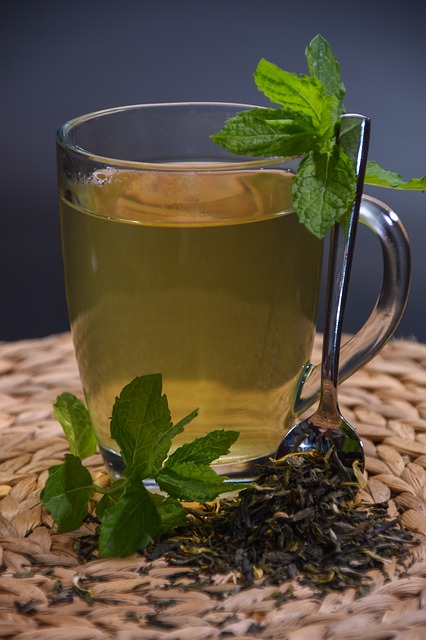
With both types of colds, plenty of rest and water are essential. Mint and chrysanthemum teas are also highly recommended. Spicy, greasy or fried foods should be avoided, as should sugar because these foods can create mucus or exacerbate the condition. And regardless of the type of cold, a licensed acupuncturist will be able to help you kick it in less time than normal.
The Many Dimensions of the Heart
 The heart is an energetic system we often treat in Traditional Chinese Medicine. According to Chinese Medicine theory, there are many systems of energy within the body. Each of these systems corresponds to certain physiological and psychological functions. So when we talk about the heart, the lungs, the liver. However, when we are speaking about Chinese Medicine organs, we are not talking about the physical organ sitting in your body, but rather the energetic manifestations of a particular system in the physical, mental, emotional and spiritual realms.
The heart is an incredibly important energy system in Chinese medicine, often said to be the emperor of all the other energy systems. It is related to the fire element, which is the universal energy of summer.
On a physical level, the heart is responsible for pumping blood through our body, just as it is in allopathic medicine. It controls the health and vitality of the blood vessels, and also controls sweating, the tongue and speech. But perhaps the most important role of the heart in Chinese medicine is that it houses the Shen, or spirit.
The Shen in Chinese Medicine is referred to as one of the three treasures of the body, and it encompasses consciousness, the emotions, mental acuity and thought, as well as the ability to process incoming sensory information. Each organ system in Chinese medicine is related to one aspect of the spirit (such as intellect, willpower or instinct) – but the Shen is the most important, as it governs all the other aspects. Prolonged emotional upheaval, mental illness, personality disorders, emotional imbalance, processing disorders and sensory disorders all are manifestations of a disturbed, ungrounded or weakened Shen.
The emotion associated with the heart is joy. This means that joy nourishes the heart, but excessive joy (ie, mania) is a symptom of an imbalance in this system.
The heart is all about the very act of being alive – from the physical heart beating in our chest, to the flow of blood through our veins, to our mental ability to stay present and focused, and our emotional selves being whole and complete. It is the energy of summertime – abundant, hot and lively.
Nourish the Heart through Food
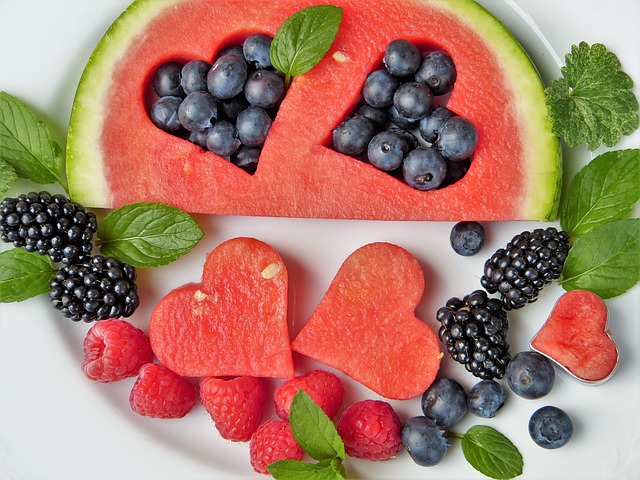
The color associated with the heart is red, and the heart is nourished through red foods, such as cherries, strawberries and kidney beans. Being closely associated with the blood, it is also nourished by blood-tonifying foods such as organ meats, lean red meat and dark leafy greens. The heart is closely tied to appreciation of beauty and aesthetics, so the heart system is also nourished by food for which care has been given to present artfully, with beauty and grace, and a wide array of colors on one plate. Again, the heart is associated with summertime, so think of the abundance of fruits and vegetables available that time of year, and try to reflect that energy in your food choices.
Nourish the Heart through your habits The heart is nourished through activities that bring you cheer and joy. Nourishing the heart is about celebrating that which you love in the world – people, places and ideals. As the heart governs our relationships with other human beings, it is nurtured by feeling connected to those that we love. Reach out to friends and family, forge new bridges and strengthen lasting bonds. The heart is also nourished through beauty – take time to appreciate the beauty of your natural surroundings, as well as music, poetry, art and dance. Lastly, the heart is nurtured by ritual. This can be a long-standing religious or cultural ritual, or one that you create for yourself. Some examples of heart-healthy rituals include writing down five things you are grateful for each night, incorporating some sort of gentle exercise during each morning, practicing 10 minutes of sitting meditation each day, or grab a coloring book and start coloring!