- That’s The Point! Acupuncture410-979-1498
- 12165 Clarksville Pike
Suite 308
Clarksville, MD 21029 

Traditional Chinese Medicine
The Benefits of Gua Sha: Ancient Technique, Modern Science
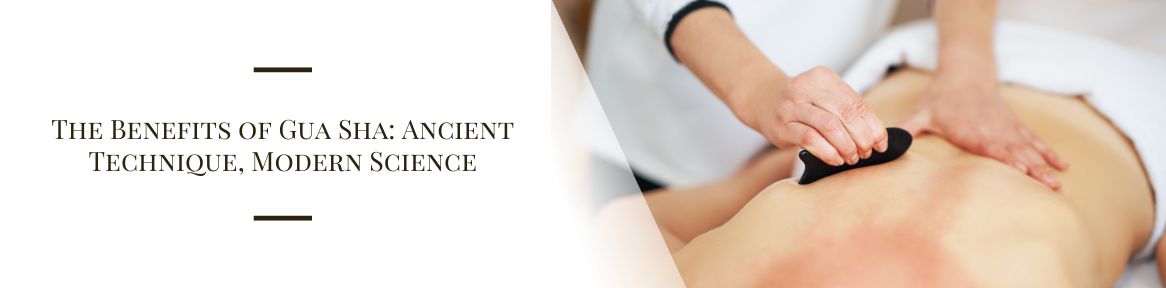
For centuries, practitioners of Traditional Chinese Medicine (TCM) have used Gua Sha to promote healing, circulation, and balance in the body. Think of it as a scraping therapy performed with a smooth-edged tool. Today, it has evolved from a full-body therapeutic practice into a global wellness and skincare ritual used by acupuncturists, massage therapists, estheticians, athletes, and everyday consumers.
But beyond the viral beauty videos and jade tools lies a growing body of research exploring what Gua Sha does physiologically. Surprisingly, many of its claimed benefits like pain relief, improved circulation, reduced inflammation, and lymphatic movement, now have measurable biological explanations. continue reading
Meridian Theory: The Ancient Map of the Body
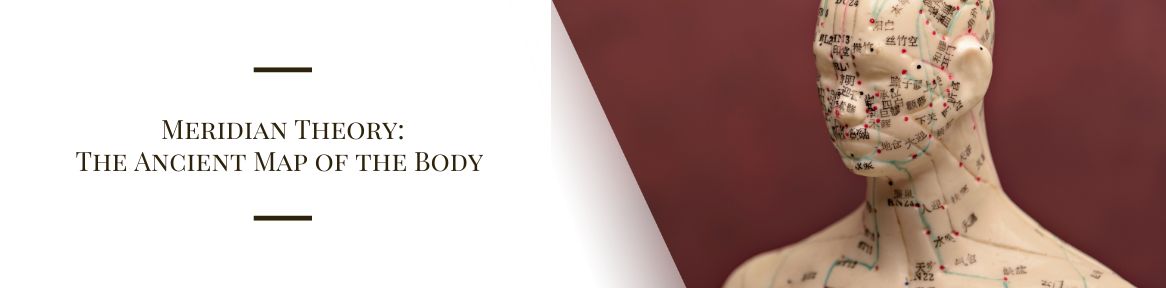
For thousands of years, practitioners of Traditional Chinese Medicine (TCM) have described the human body using a very different “anatomy” than modern Western medicine. Instead of nerves, vessels, and organs alone, they spoke of an energetic network or a communication system linking every structure, function, and sensation.
This network is called the meridian system. Today, interest in acupuncture, fascia research, bioelectric signaling, and integrative medicine has brought Meridian Theory back into scientific conversation. Researchers are now asking: Are meridians symbolic or do they represent real physiological pathways? continue reading
What Is Moxibustion?
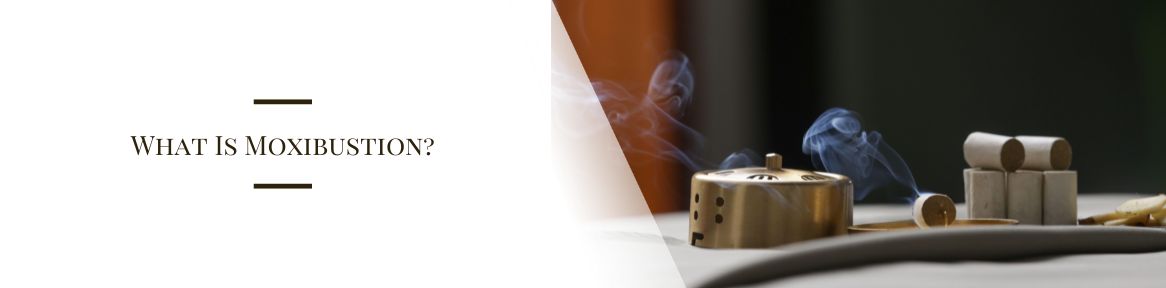
Moxibustion is a traditional therapy rooted in East Asian medicine that involves the application of heat to specific points on the body using moxa, a dried form of the herb Artemisia argyi (commonly known as mugwort). The goal is simple but powerful: warm the body, stimulate circulation, and support the natural flow of energy, often referred to as qi, to promote healing and overall well-being. continue reading
When Your Next Meal is Part of the Treatment Plan
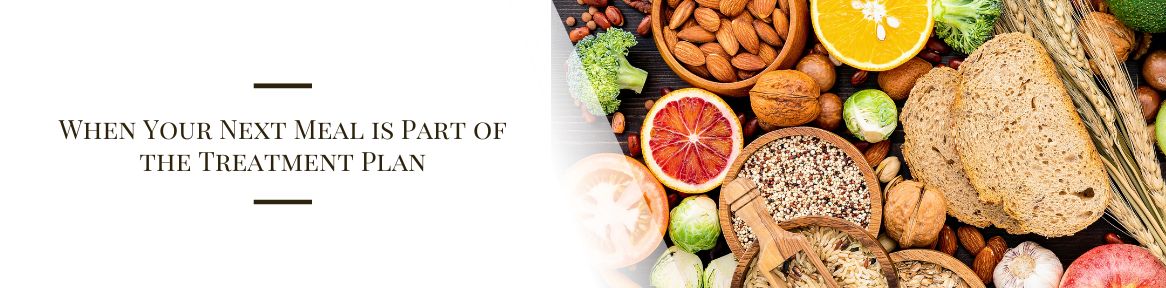
For many chronic health issues, everyday exposures matter most. Food isn’t only fuel. It’s raw material, signaling molecules, and a daily set of “instructions” your body reads repeatedly.
The idea of food as medicine isn’t new. It shows up in traditional healing systems, in public health, and increasingly in modern clinical research. The most useful way to think about it today is practical and evidence-based:
- Food can reduce risk (primary prevention).
- Food can support treatment alongside medical care (adjunct therapy).
- Food can change symptoms by affecting inflammation, blood pressure, lipids, glucose, the gut microbiome, and even brain signaling.
It won’t replace necessary medications or procedures. But in many cases, it can meaningfully shift the trajectory of health and sometimes quickly. continue reading
Cupping + Acupuncture: More Than the Sum of its Parts
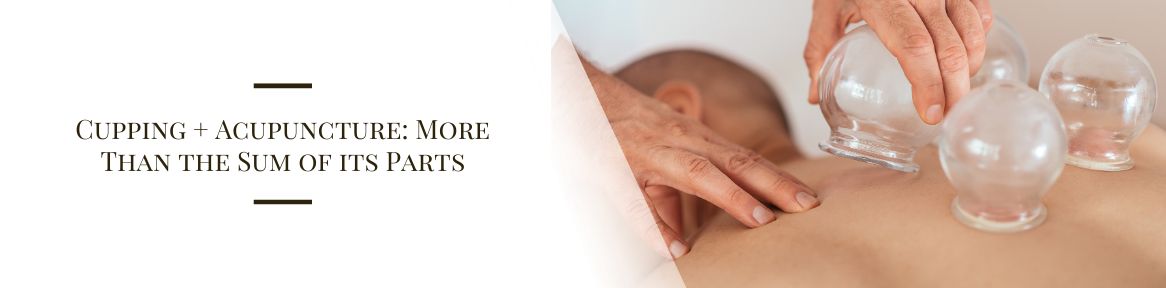 Do any of these scenarios sound like your life: a stubborn knot between the shoulder blades, a low-back flare that keeps returning, or a neck that feels “stuck” after long hours at a desk? Acupuncture needles can calm the nervous system and change pain signaling and cupping can mechanically decompress tight tissue and improve local circulation. Used together thoughtfully and safely they’re often paired to help pain move from “sharp and guarded” to “dull and workable,” and then to “resolved or manageable.” continue reading